

FOOD FACTORY CLEANING & DRY ICE BLASTING
Hovis - Macclesfield, SK11
Client's Challenge
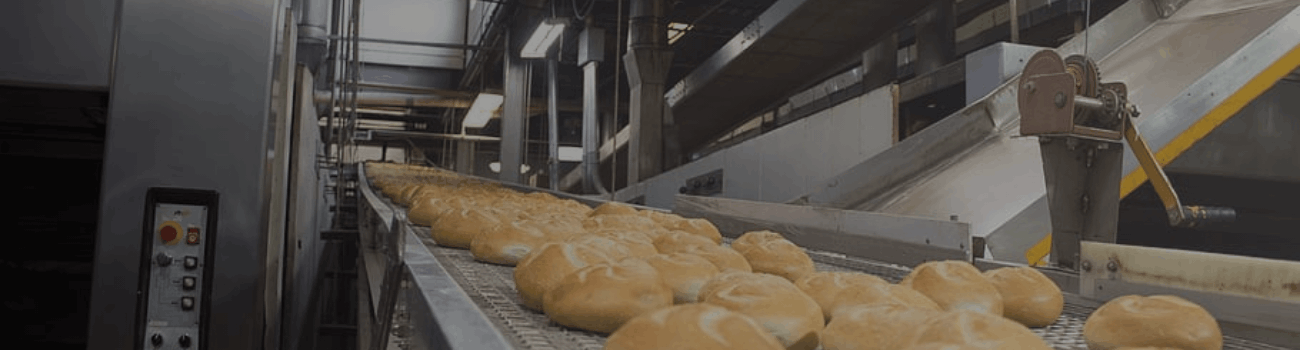
Hovis required a specialist cleaning partner to deep clean their food factory production line as part of ongoing hygiene and food safety controls.
The primary objective was to remove dirt, dust and operational build-up from production machinery without risking cross-contamination, damaging sensitive equipment, or introducing moisture or chemical residues into a live food production environment.
A further requirement was to ensure the cleaning programme could be delivered in stages, allowing production to continue with minimal disruption and avoiding unnecessary downtime within the facility.
Assessment & Planning
APT ICC’s accredited surveyors attended site to complete a full assessment of the production line and associated food processing machinery, reviewing:
• Contamination levels across production equipment
• Risk of cross-contamination within a live food environment
• Suitability of non-abrasive, residue-free cleaning methods
• Opportunities to stage works around production schedules
Following assessment, a phased monthly cleaning programme was agreed, allowing hygiene standards to be maintained while production activity continued uninterrupted.


Methodology
Following the site survey, APT ICC recommended dry ice blasting as the safest and most effective cleaning solution for this application.
Dry ice blasting is a non-abrasive, low-residue cleaning method that uses compressed air to propel solid CO₂ pellets at contaminated surfaces. On impact, the dry ice sublimates instantly, lifting contamination without leaving secondary waste, moisture, or abrasive residue.
The cleaning programme was delivered as follows:
1. Staged dry ice blasting of production line machinery to remove dirt, dust and operational build-up
2. Targeted cleaning of sensitive equipment without dismantling or damaging components
3. Phased delivery to support hygiene requirements while keeping production downtime to an absolute minimum
This method ensured effective deep cleaning while maintaining compliance within a hygiene-critical food production environment.

Site Access & Logistics

Equipment :
• Dry ice blasting equipment (CO₂ blasting system) for machinery and production line cleaning
Chemicals Used:
• No aggressive chemical stripping products were required for the core cleaning process due to the dry ice blasting methodology
• Food-safe maintenance product recommendations provided for ongoing hygiene support, including food-safe degreasers, floor cleaning products and food-grade lubricants
The Results
APT ICC successfully delivered a safe, controlled production line
cleaning programme within a live food production environment.
Key outcomes included:
• Effective removal of contamination from production machinery
• No damage to sensitive equipment or components
• No introduction of moisture, abrasive media or chemical residue
• Minimal disruption to production through phased delivery
• Improved hygiene standards supporting food safety compliance
The client was extremely pleased with the outcome and the ability to complete staged cleaning works while maintaining operational continuity.




User Name 2 Days ago
Lorem ipsum dolor sit amet, consectetuer adipiscing elit. Aenean commodo ligula eget dolor.