
STONE CLEANING & HERITAGE RESTORATION
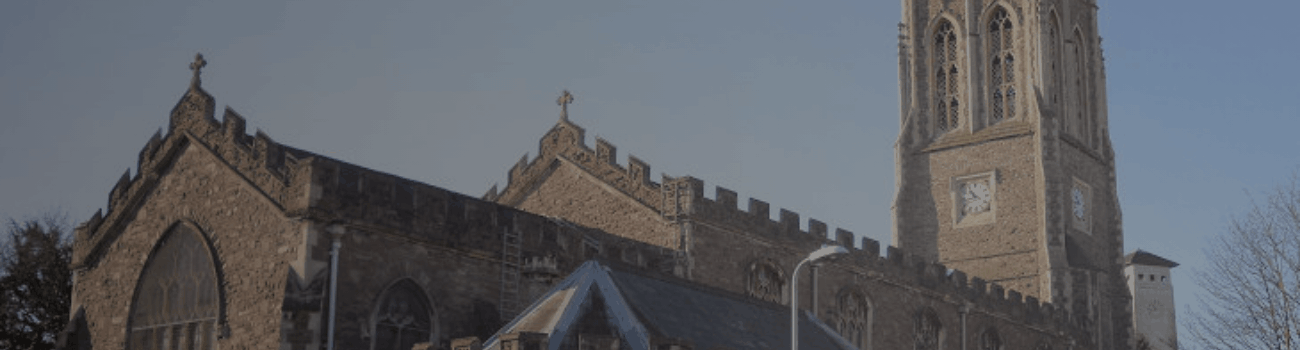
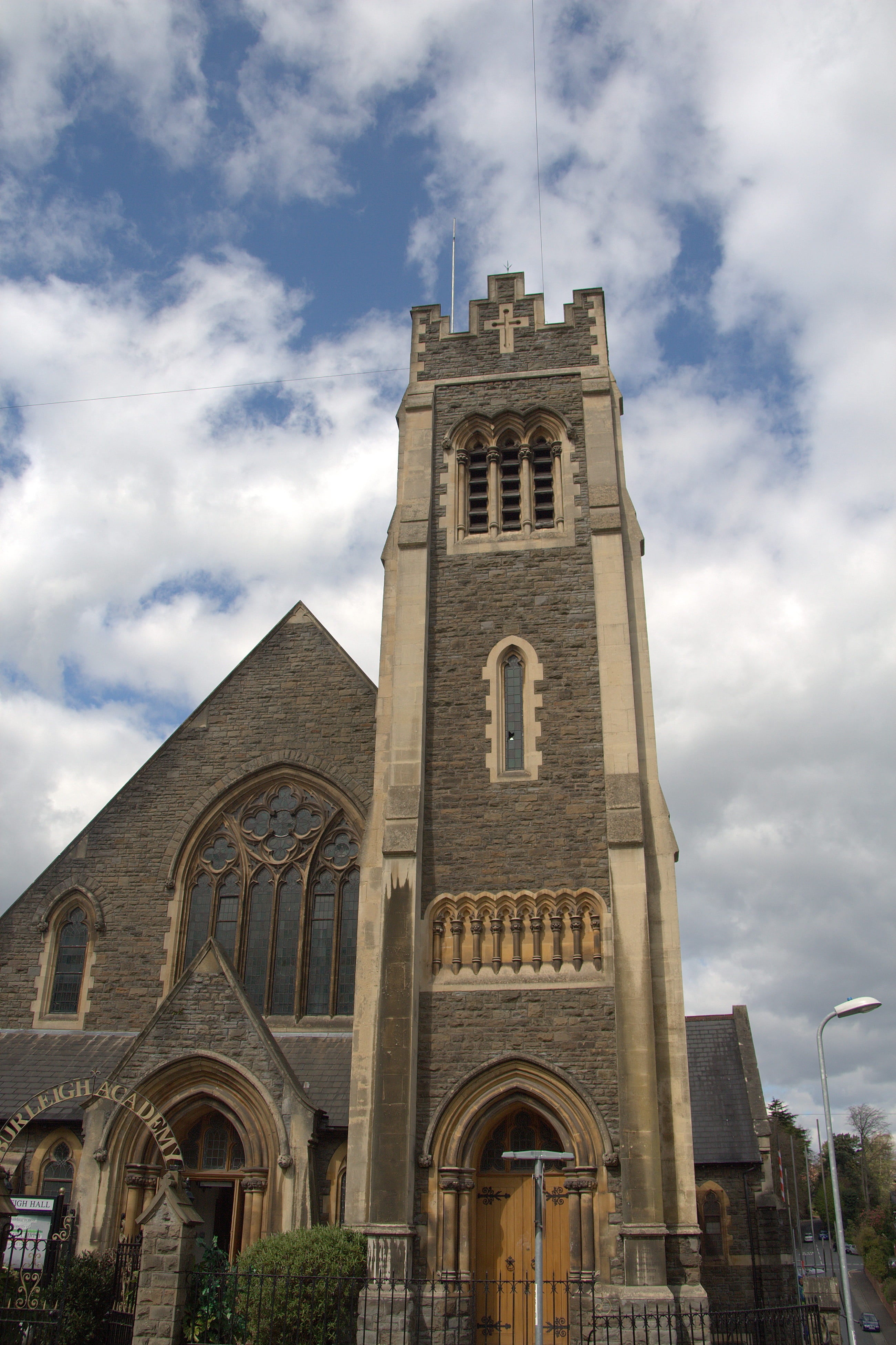
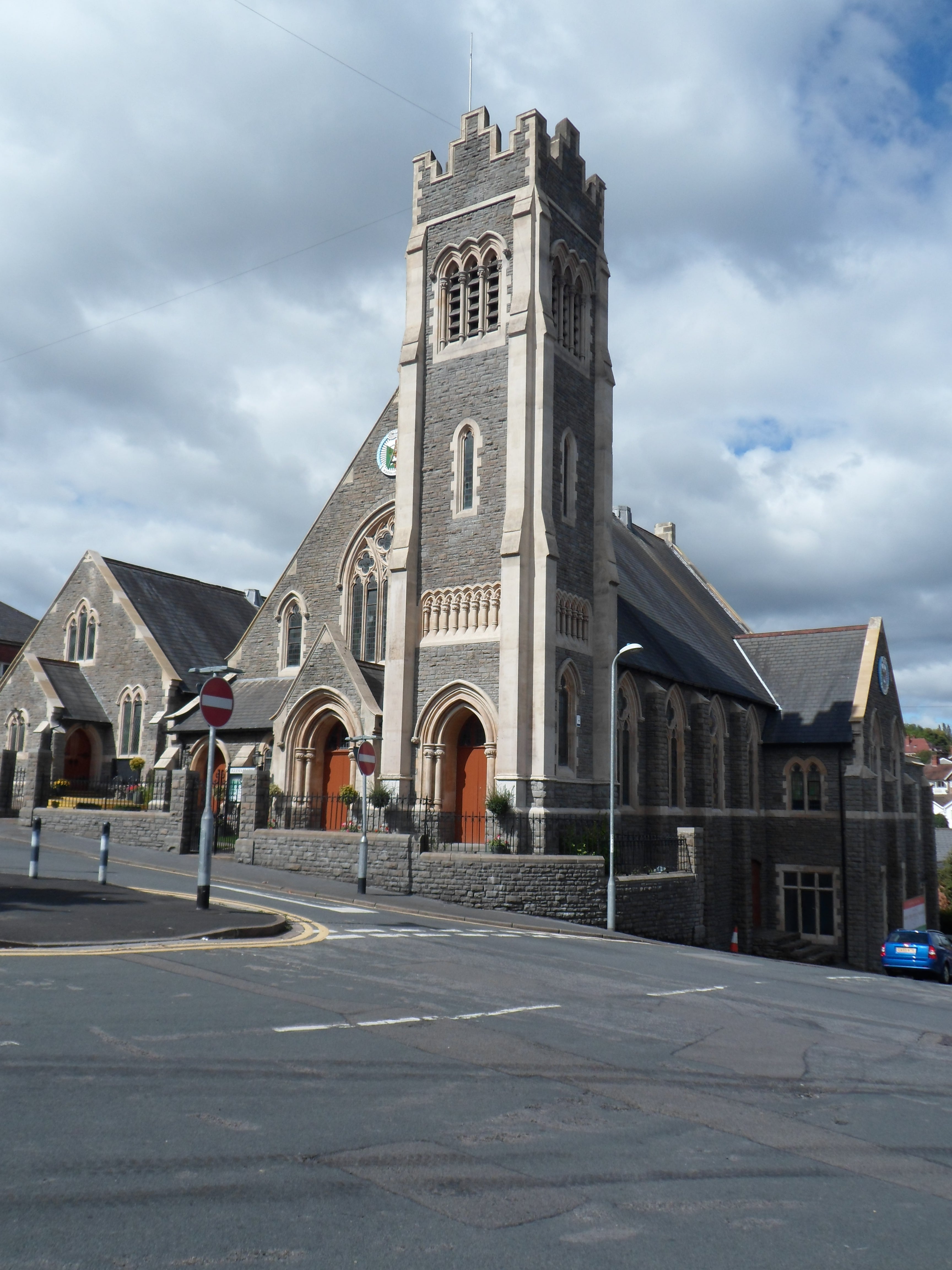
Burleigh Church - Newport, NP20
Client's Challenge
The new owners of Burleigh Church in Newport required a complete heritage restoration programme to bring the historic building back into use within a strict timeframe.
The church had suffered from years of environmental exposure and surface degradation, requiring a conservation led approach to protect its historic fabric. Key issues included:
• Algae growth and pollution staining across the external stone façade
• Multiple layers of varnish and paint on extensive internal timber features
• Deterioration risks to sensitive architectural elements
• Roof defects requiring sympathetic repair to protect the structure
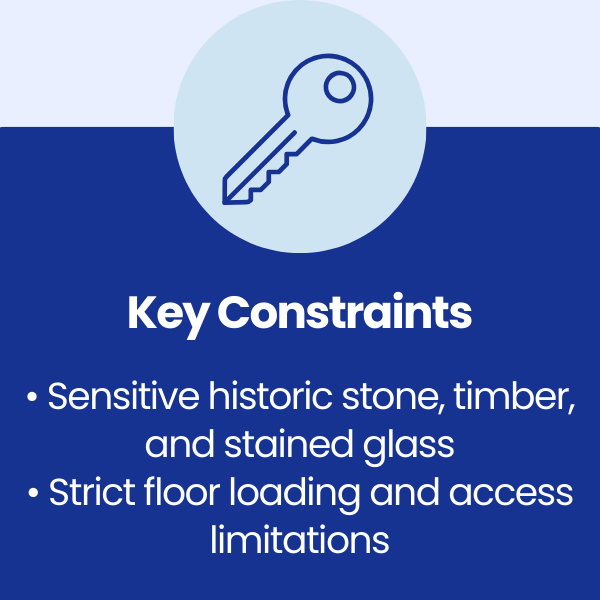
The building contained fragile stained glass windows, complex ceiling structures and restricted internal access, meaning aggressive methods, heavy equipment or intrusive removal of features were not acceptable.
APT ICC were engaged as a specialist contractor with proven experience in heritage restoration, soda blasting and sensitive surface treatment, capable of delivering a holistic solution without
compromising historic finishes.
Assessment & Planning
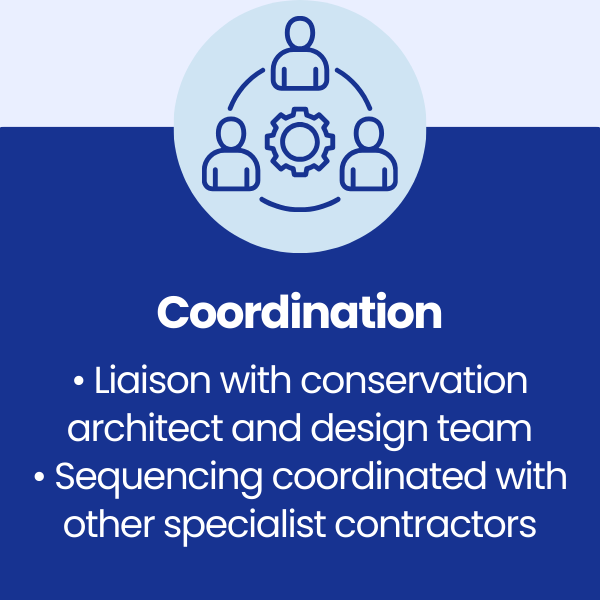
APT ICC met on site with the client’s design team and the local authority Conservation Architect to assess the building and agree an appropriate restoration strategy.
The assessment focused on:
• Condition and sensitivity of the stone façade
• Suitability of soda blasting for internal timber restoration
• Risks associated with sanding, chemical stripping or dismantling historic joinery
• Floor loading limitations affecting access methods
• Protection requirements for stained glass and ceiling structures
• Sequencing works alongside other specialist contractors
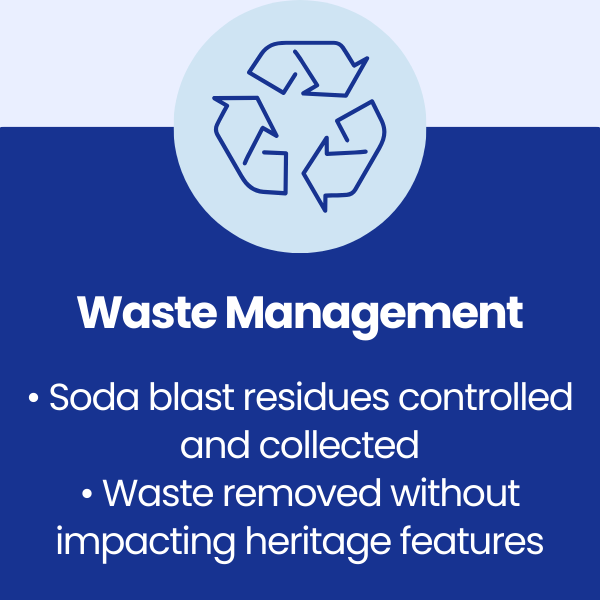
Soda blasting was approved as the preferred method due to its controlled,
non-abrasive properties and APT ICC’s extensive experience delivering conservation projects on historic buildings, monuments and churches.


Methodology
The restoration works were delivered using a carefully controlled, conservation-led process:
1. Access and protection set-up
Manual access towers installed internally. Stained glass and sensitive features fully protected before works commenced.
2. Soda blasting – internal timber restoration
Soda blasting used to remove varnish and paint from internal timber elements including organ surfaces, wall panelling, doors, flooring, decorative joinery and the tongue-and-groove dome ceiling.
This avoided dismantling heritage features and eliminated risks of
distortion or loss.
3. Dome ceiling restoration in situ
The dome ceiling was restored without removal. Alternative methods would have required dismantling, creating significant risk and inferior reinstatement.
4. External stone façade cleaning
Heritage-safe cleaning techniques used to remove algae, biological growth and pollution staining from the stone façade without damaging the substrate.
5. Sympathetic roof repairs
Roof repairs carried out by specialist operatives to protect the building fabric and support long-term preservation.
6. Final inspection and quality review
All works inspected to confirm conservation standards were met and the building was ready for reopening within the required timeframe.
Site Access & Logistics
Equipment
• Soda blasting systems (heritage-suitable, non-abrasive)
• Manual access towers (due to floor loading restrictions)
• Heritage-safe cleaning and restoration tools
• Protective screening and safeguarding systems
Chemicals
• No chemical stripping agents used for timber restoration
• No aggressive stone cleaning chemicals required
All restoration achieved using controlled mechanical methods appropriate for
heritage substrates.
The Results
• External stone façade cleaned and restored
• Algae and biological growth removed without substrate damage
• Multiple layers of varnish and paint removed from internal timber features
• Dome ceiling restored in place, avoiding dismantling and cost escalation
• Roof repairs completed sympathetically to protect long-term structure
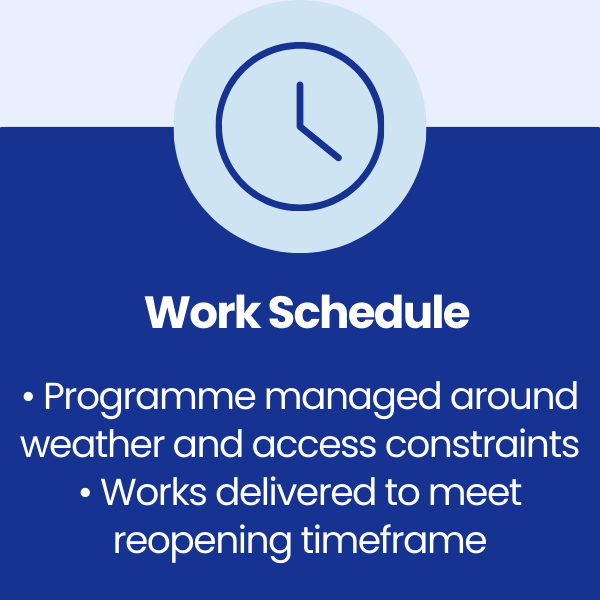
• Project delivered on time despite weather and site constraints
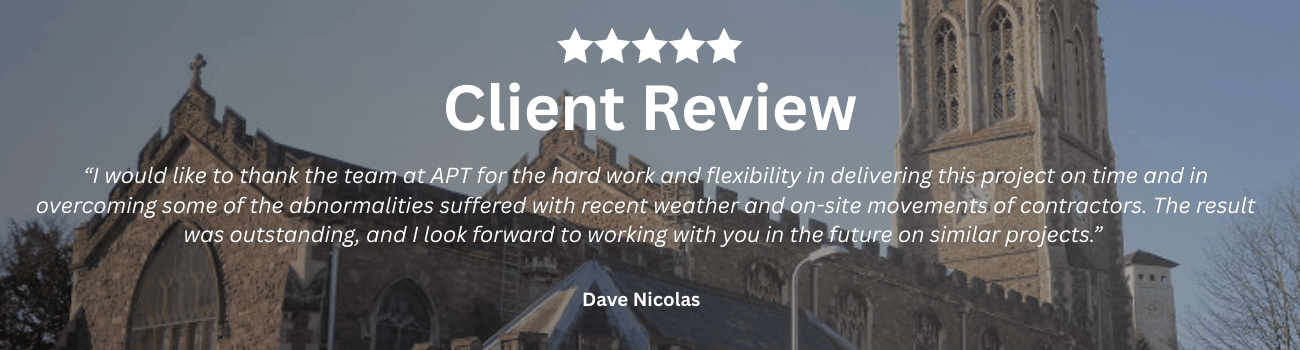
The client confirmed the results were outstanding and expressed
interest in working with APT ICC on future heritage restoration projects.





User Name 2 Days ago
Lorem ipsum dolor sit amet, consectetuer adipiscing elit. Aenean commodo ligula eget dolor.